
Floreana is the island with the strangest human story in Galápagos. Pirates hid in its caves, whalers left letters in a barrel on its shore, and in the 1930s a handful of European settlers turned it into the scene of disappearances that are still unsolved. Today fewer than two hundred people live in its only village, Puerto Velasco Ibarra.
For visitors, Floreana offers two very different experiences. Day trips from Santa Cruz explore either the highlands and the village or the wild northern coast, while cruises reach sites such as Post Office Bay and Devil’s Crown. This guide explains what each option covers, so expectations match the trip.
| Site | How to Visit | Highlights |
|---|---|---|
| Asilo de la Paz and the pirate caves | Floreana land tour | Freshwater spring, caves and early settler history |
| Giant tortoise reserve | Floreana land tour | Tortoises in a semi-natural reserve |
| La Lobería | Floreana land tour | Snorkeling with turtles and sea lions |
| Punta Cormorant and Enderby Islet | Floreana snorkeling tour | Flamingo lagoon, green olivine beach, rays and sharks |
| Post Office Bay and Devil’s Crown | Naturalist cruises | Historic barrel and one of the best snorkeling sites |
A Short History of Floreana
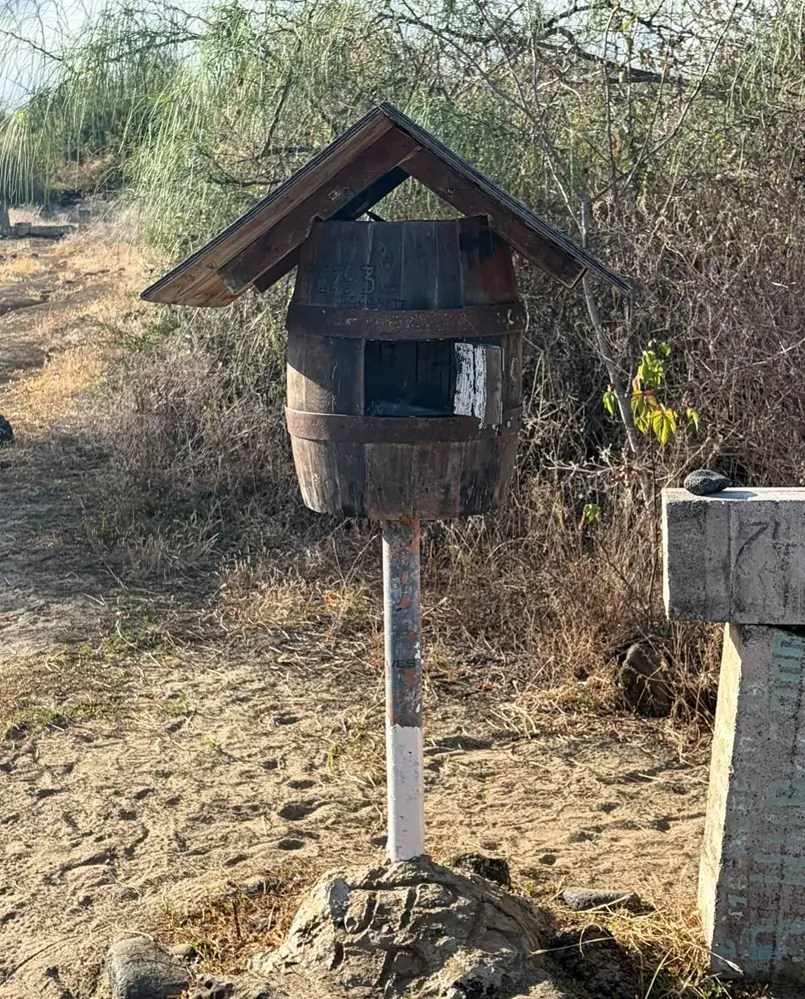
Floreana was among the first islands in Galápagos to be visited regularly. Pirates and whalers came for fresh water and tortoises, and in the late eighteenth century whalers set up a barrel at Post Office Bay where crews left letters for ships heading home. The tradition continues: visitors still leave postcards and carry others to deliver by hand.
In the 1930s the island attracted a few European settlers, among them a German doctor, a family from Germany and a self-styled baroness who arrived with two companions. Within a few years several of them had died or vanished without explanation. The story, known as the Galápagos Affair, has inspired books and a documentary, and the family’s descendants still live on the island.
The Floreana Land Tour
The Floreana land tour leaves Puerto Ayora early and crosses to the village in about two and a half hours. From there a vehicle climbs to Asilo de la Paz, where a spring supplied the first settlers and caves carved in the rock sheltered pirates and, later, the settlers themselves.
Nearby, a reserve keeps giant tortoises in semi-natural conditions. The original Floreana tortoise disappeared long ago, and an ambitious restoration project aims to bring back species lost from the island. Our guide to where to see giant tortoises compares this reserve with those on other islands. After lunch, the tour ends with snorkeling at La Lobería, near the village, with sea turtles, sea lions and marine iguanas.
The Floreana Snorkeling Tour
The Floreana snorkeling tour skips the village and heads for the protected northern coast. At Punta Cormorant, a short guided walk crosses from a beach of green olivine sand to a white beach where sea turtles nest, passing a lagoon where flamingos often feed. Enderby Islet, an eroded volcanic cone, is the snorkeling stop, with turtles, eagle rays, white-tip reef sharks and sea lions.
The crossing takes less time than to the village, but both tours spend several hours at sea. Travelers prone to seasickness should read our guide to seasickness on Galápagos day tours before booking.
What Day Trips Do Not Include
Post Office Bay and the snorkeling site of Devil’s Crown, a sunken crater off the north coast, are reserved for licensed cruise itineraries and are not part of the day tours. Travelers who want to leave a postcard in the barrel need a cruise that includes Floreana, which our naturalist cruises page helps identify.
Choosing Your Floreana Experience
The choice between the two day tours comes down to interests. The land tour suits travelers curious about the human history of Galápagos, with caves, springs and the stories of the first settlers, plus a relaxed snorkel at the end. The snorkeling tour suits those who want wildlife and clear water, with a coastal walk that few land based visitors ever see.
Both trips are long days, leaving Puerto Ayora in the early morning and returning in the late afternoon. They fit well in the middle of a stay on Santa Cruz, after a day or two to adjust and before a quieter day on land. Our guide to things to do on Santa Cruz suggests how to balance boat days with free days.
Floreana rarely appears on the shortest itineraries, which is part of its appeal. Groups are small, the village is quiet and the island still feels like a frontier. For travelers with a few extra days, it adds a chapter to the Galápagos story that the busier islands cannot offer. Pack closed shoes for the highland trails and cash for small purchases in the village.
Frequently Asked Questions About Floreana Island
Can you visit Post Office Bay on a day trip?
No. Post Office Bay is visited by licensed cruises. Day tours from Santa Cruz go to the village and highlands or to Punta Cormorant and Enderby Islet.
How long is the boat ride to Floreana?
About two hours or a little more each way from Puerto Ayora, depending on the tour and sea conditions.
What is the Galápagos Affair?
A series of deaths and disappearances among European settlers on Floreana in the 1930s, still unexplained and the subject of books and a documentary.
Can you see flamingos on Floreana?
Often, at the lagoon of Punta Cormorant, which is part of the snorkeling tour. Sightings depend on the season and are not guaranteed.
Which Floreana tour is better?
The land tour suits history and highland scenery. The snorkeling tour suits wildlife and water. Both include time in the sea.
Can you stay overnight on Floreana?
Yes, in a few small guesthouses, but boats are infrequent. Most visitors see the island on a day trip from Santa Cruz.