December and January mark the shift from the cool, misty garúa season to the warm season in Galápagos. Sea temperatures climb, the seas calm down after the rough months of August and September, and the first rains turn the arid lowlands green within days.
The same weeks are also the busiest of the year. The Christmas and New Year holidays bring the highest demand for flights, hotels, ferries and cruises, and the best day tours fill well before the end of November. Travelers who plan around both factors, the improving conditions and the holiday crowding, get the most out of the season.
Below are the weather, sea conditions, wildlife activity and booking strategy for both months, along with the tours that suit them best.
| Factor | December | January |
|---|---|---|
| Season | Transition into warm season | Warm season established |
| Water temperature | About 21 to 24 °C, rising | About 22 to 26 °C |
| Rain | First showers, mostly brief | Short afternoon downpours |
| Sea conditions | Calmer than mid year | Generally calm |
| Wildlife highlights | Green turtle courtship, tortoise hatchlings | Turtle nesting, colorful marine iguanas |
| Demand | Very high from 20 December | Very high until about 6 January |
Warm Season Weather on the Islands
The warm season brings sunshine for most of the day, higher humidity and short, heavy showers that usually arrive in the afternoon. Air temperatures sit in the high 20s °C at sea level. In the highlands of Santa Cruz and Isabela, the garúa mist of the cool season lifts, and trails such as the Sierra Negra caldera rim become clearer and warmer.
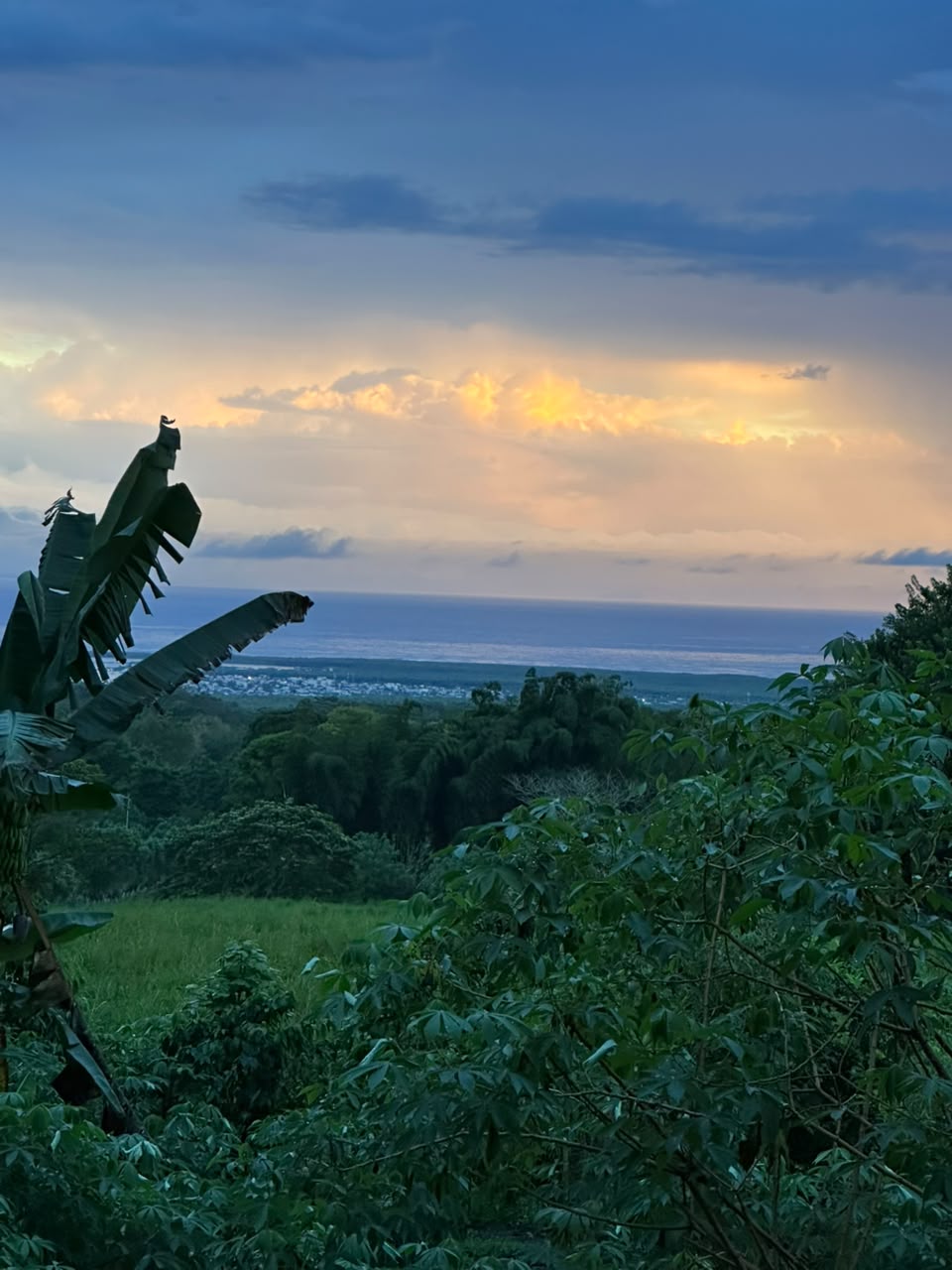
December is a transition month, so conditions vary from week to week. By January the pattern is set: calm mornings, bright light for photography and occasional rain that rarely cancels activities.
Sea Conditions and Snorkeling
Water temperatures rise steadily through both months, reaching roughly 22 to 26 °C by January at most snorkeling sites. Many visitors snorkel without a wetsuit, although a shorty helps on long sessions. Visibility can vary as plankton blooms come and go, but sea conditions for ferries and day boats are noticeably better than in the cool season.
Calmer water makes longer crossings more comfortable. Tours that can feel rough mid year, such as the routes to Floreana and Española, are more pleasant in January. Our guide to the best time to dive Galápagos explains how the warm season changes underwater conditions for divers.
Wildlife Activity in December and January
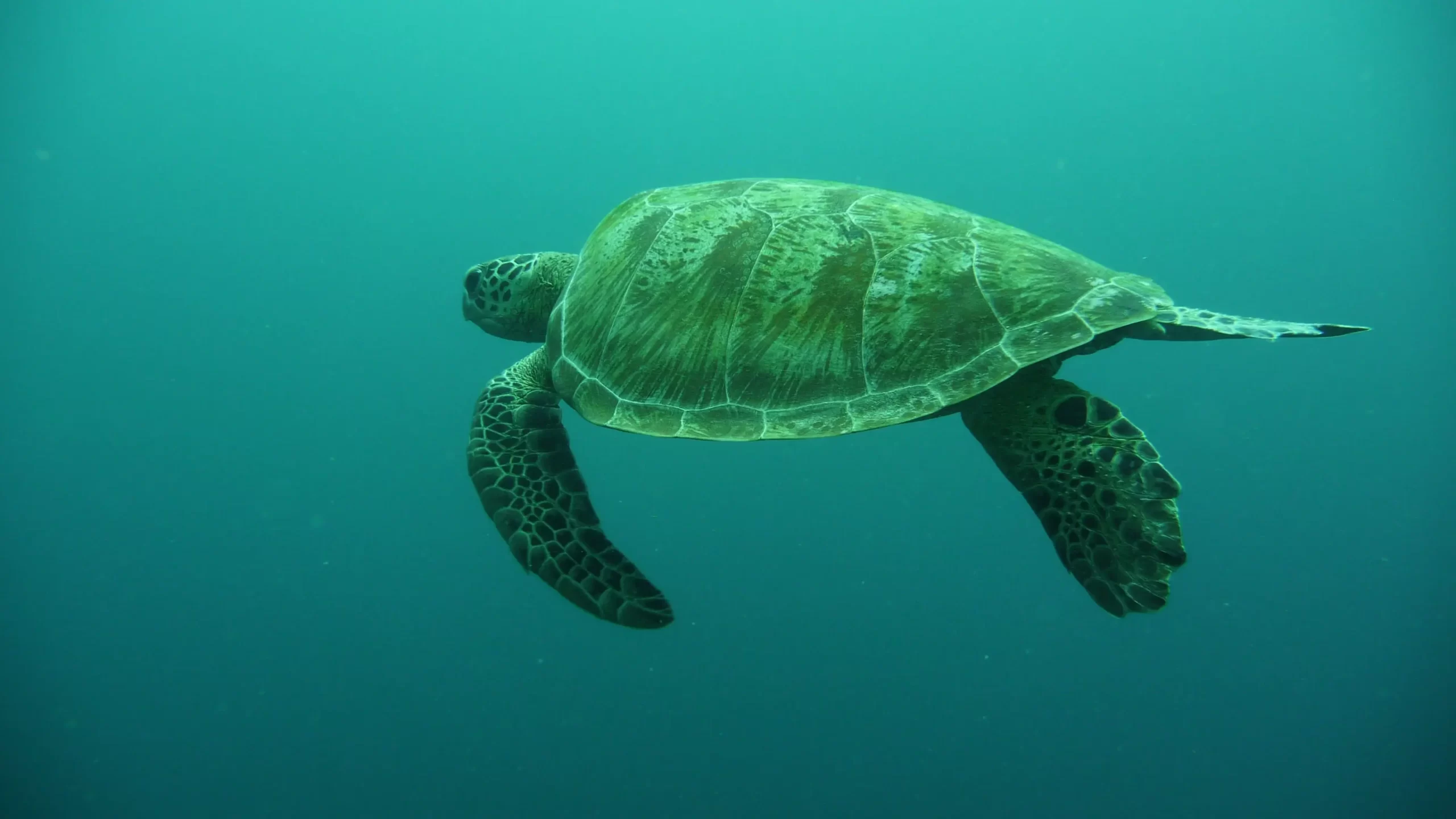
Green sea turtles dominate the season. Courtship begins offshore in December, and in January females start coming ashore at night to nest on sandy beaches. Punta Cormorant on Floreana, visited on our Floreana snorkeling tour, has active nesting areas, and turtles are common in the shallow bays around Puerto Villamil, where the Tintoreras kayak tour paddles.
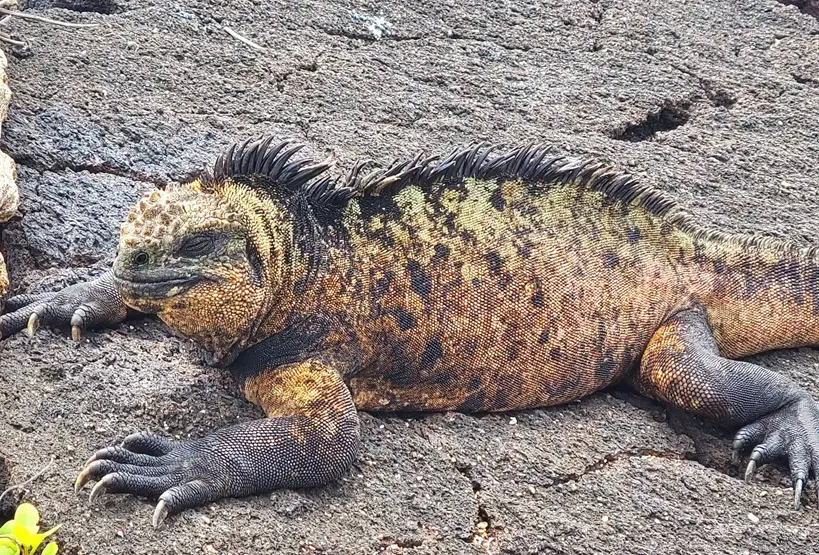
On Española, male marine iguanas turn red and turquoise as breeding begins, the most colorful iguanas in the archipelago. The waved albatross colony, however, is finishing its season: chicks fledge in December and the adults leave by January, so travelers focused on albatrosses should read our guide to the Española day trip and albatross season before booking.
In the highlands, the first giant tortoise hatchlings emerge in December, and land birds begin nesting with the rains. Our month by month wildlife calendar sets these events against the rest of the year.
Holiday Demand and Booking Strategy
The period from about 20 December to 6 January is the most heavily booked of the year. Flights to Baltra and San Cristóbal sell out, hotels in Puerto Ayora raise rates, and ferry seats on the morning departures disappear first.
Book flights, hotels and the flagship day tours at the same time, ideally three months ahead. Cruises rarely discount over the holidays, a point explained in our guide to last minute Galápagos cruise deals. Day tour prices stay stable, and our list of Galápagos day tour prices applies year round.
Mid January onward is a different picture. Demand drops after the holidays while conditions keep improving, which makes the second half of January one of the strongest periods of the year for value.
How December and January Compare With the Rest of the Year
December and January bring the archipelago back from its coldest and most productive phase into a warmer, calmer one. The Humboldt Current loses strength, sea surface temperatures rise and the marine food web shifts. Some species that depend on cold upwelling, such as penguins, become less active near the surface, while turtles, rays and reef fish become easier to observe in clear, warm shallows.
On land, the first rains trigger a burst of activity. Seeds germinate, insects multiply and land birds, including Darwin’s finches, start breeding. Flowering plants and fresh leaves give the arid coastal zone a brief, intense green that contrasts with the grey scrub of the dry months. For visitors, the result is greener landscapes and more comfortable snorkeling than at any point since the previous May.
The main constraint is human rather than natural. Holiday demand compresses availability on the most popular routes, so planning matters more in these weeks than in any other part of the year. Travelers with flexible dates gain the most by arriving after the first week of January, when the warm season conditions remain and the crowds have largely gone.
Frequently Asked Questions About Galápagos in December and January
Is December a good time to visit Galápagos?
Yes. December brings the start of the warm season, calmer seas and rising water temperatures. The main drawback is holiday demand from about 20 December, which makes early booking essential.
How warm is the water in January?
Water temperatures in January usually range from about 22 to 26 °C at most snorkeling sites. Many visitors snorkel without a wetsuit, though a thin one adds comfort on longer sessions.
Does it rain a lot in Galápagos in December and January?
Rain arrives as short showers, often in the afternoon, rather than full days of rainfall. January is wetter than December, but rain rarely cancels day tours or landings.
Can you see waved albatrosses in January?
Very few. The adults leave Española by January after the chicks fledge, and they return around April. Travelers focused on albatrosses should plan between April and December.
Are Galápagos tours more expensive over Christmas?
Day tour prices generally stay the same, but hotels, flights and cruises cost more and sell out early. Booking about three months ahead secures both availability and better rates.
Where can I see sea turtles nesting in January?
Female green sea turtles nest on sandy beaches across the islands, including Punta Cormorant on Floreana and beaches on Santa Cruz. Nesting happens at night, so daytime visitors usually see tracks and turtles in the shallows.