
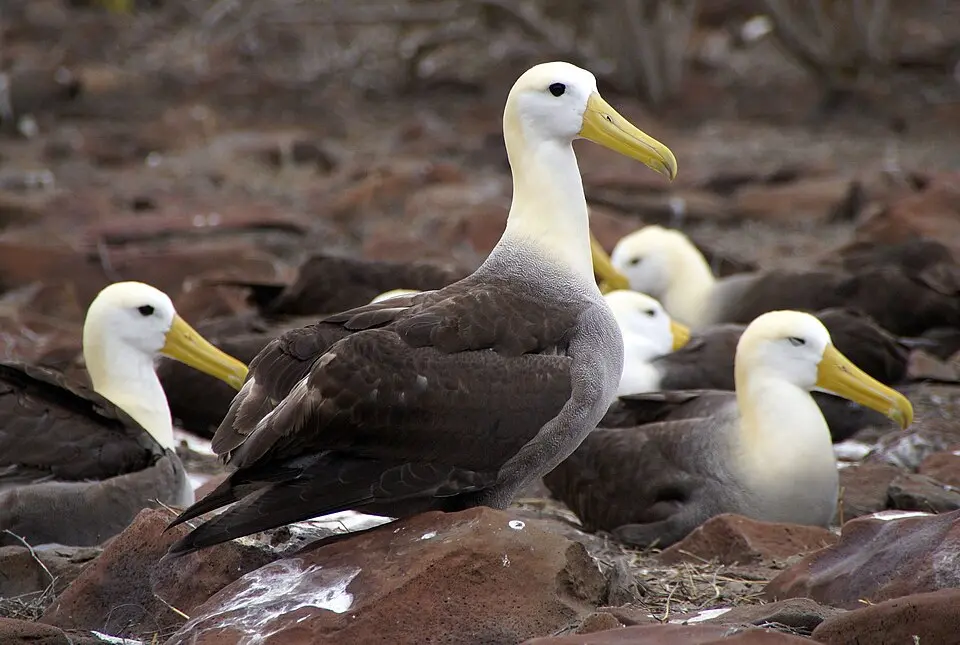
Española is the southernmost island of Galápagos and one of the oldest, with geologists estimating its age at about four million years. Long isolation has produced species found nowhere else, and the island is the only place on Earth where the waved albatross breeds in large numbers.
Española is often assumed to be a cruise-only destination, but it can also be visited on a day trip from San Cristóbal, with a guided walk at one of the island’s visitor sites and a snorkel in Gardner Bay. The trip is long and the crossing is open water, but for many travelers it is the most memorable day of a land-based stay.
Here is how the day tour works, when the albatrosses are present and what else the island offers in every month.
| Detail | Information |
|---|---|
| Departure | Puerto Baquerizo Moreno, San Cristóbal, at 07:20 |
| Duration | 7 to 8 hours |
| Crossing | About 2 hours each way across open sea |
| Group size | Maximum 12 guests |
| Landings | Dry landing for the walk, wet landing at Gardner Bay |
| Albatross season | April to December |
| Key species | Waved albatross, Nazca and blue-footed boobies, red marine iguanas |
| Recommended stay | At least two nights on San Cristóbal |
Why Española Is Different
As the oldest island in the southeast, Española has eroded into a low, flat landmass with no active volcano. Its fauna evolved in isolation from the rest of the archipelago, producing endemic forms such as the Española mockingbird, a bold bird that often approaches visitors, and the Española lava lizard.
The island is also a conservation success. By the 1960s only 14 Española giant tortoises remained, all taken into captivity for breeding. More than 1,500 young tortoises have since been returned to the island, and the population now reproduces in the wild.
The Waved Albatross Season
Española holds almost the entire world population of the waved albatross, estimated at 25,000 to 30,000 adult birds. They are present from about April to December, arriving to court and nest on the open ground of the island’s southern plateau.
Courtship is elaborate. Pairs perform a ritual dance of bill fencing, bowing and sky-calling that can last many minutes. Eggs are laid from April to June, and chicks grow through the cool season before fledging around December. Because the birds need wind to take off, they launch from the cliffs at the edge of the colony, a sight many visitors describe as the highlight of the walk.
From January to March, the adults leave Española and range over the open Pacific. Travelers visiting in those months will not see the colony, although the island’s other wildlife remains spectacular. Our month by month wildlife calendar shows how this cycle fits with the rest of the archipelago.
What the Day Tour Includes
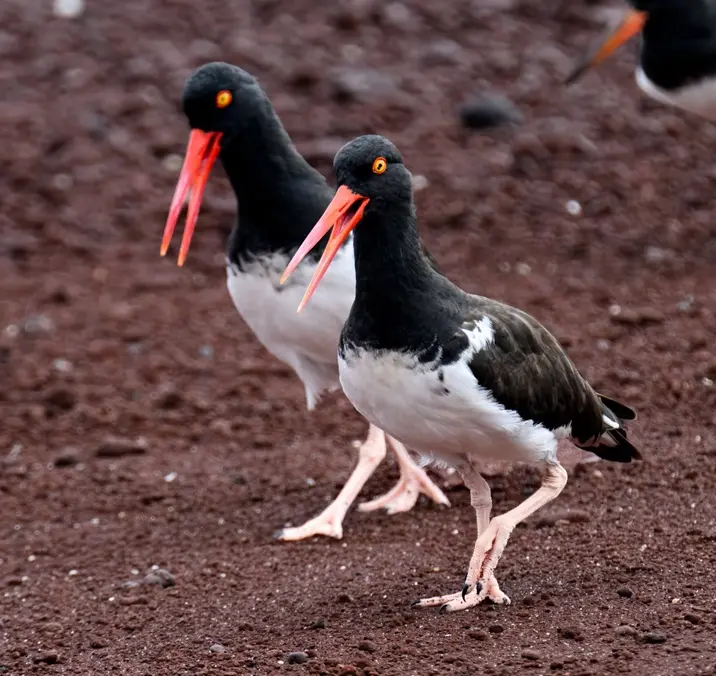
The Española Island day tour leaves Puerto Baquerizo Moreno at 07:20. After about two hours at sea, the group lands for a guided walk, usually at Punta Suárez, a loop over uneven volcanic rock past nesting boobies, sea lions and the albatross colony, with a blowhole that sprays seawater high into the air. Visitor sites are assigned by the national park, so the walk may occasionally take place at Punta Cevallos instead.
The afternoon moves to Gardner Bay, a white beach of about two kilometers with a large sea lion colony, where green turtles nest from January to March. Snorkeling at Gardner Islet or Manzanillo can include sea turtles, reef fish and playful young sea lions. Marine iguanas on Española turn red and turquoise in the breeding season, the brightest in Galápagos. Our guide to where to see blue-footed boobies covers the boobies that nest along the trail.
Full-Day Expedition · From San Cristóbal
Española Island Day Tour
Walk past waved albatrosses and nesting boobies on a guided trail, then snorkel with sea lions and turtles in the crystal waters of Gardner Bay. Max 12 guests.
Practical Notes Before Booking
The crossing is the main consideration. Two hours each way over open water can be rough, especially from July to October. The trail is unshaded, so closed hiking shoes, sun protection and water are essential. The tour departs only from San Cristóbal, so plan at least two nights on the island.
Other San Cristóbal tours pair well with Española. The Isla Lobos half-day tour offers boobies and sea lions with a 30 minute crossing, and the 360° San Cristóbal tour combines Kicker Rock with Punta Pitt.
Travelers on a cruise can reach Española without the day trip crossing. The nine-day route of the Letty yacht includes both Española and Genovesa, and our guide to how long a Galápagos cruise should be explains which itineraries cover the south.
Why Española Rewards the Effort
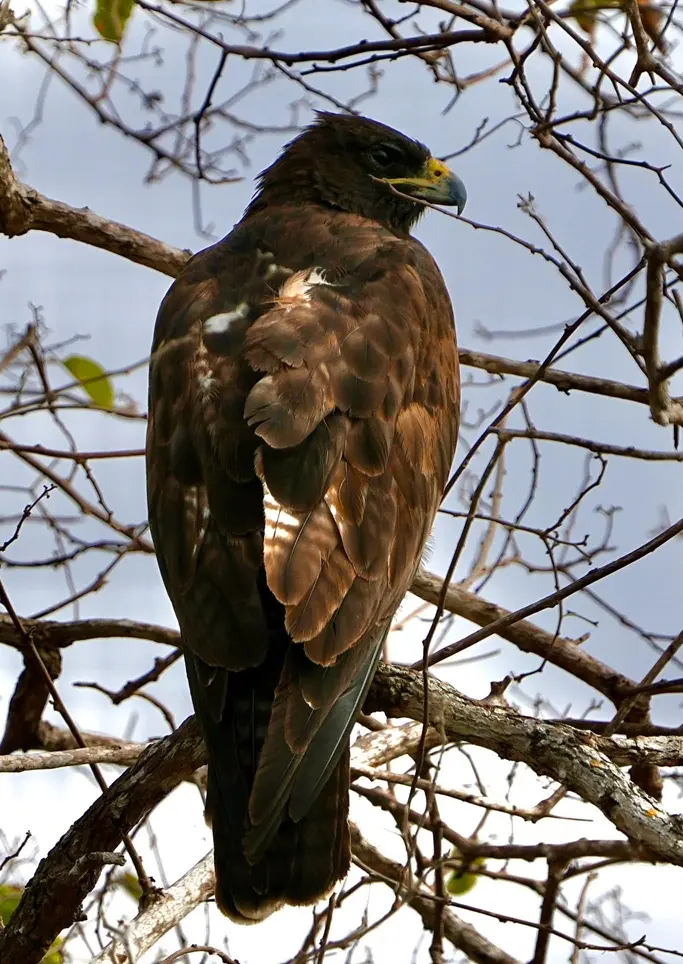
Española illustrates one of the central lessons of Galápagos: the oldest islands are often the most biologically distinctive. Millions of years of isolation gave its species time to diverge, and its location on the southern edge of the archipelago places it close to the productive waters that sustain seabird colonies. The result is an island that functions as a refuge for animals found almost nowhere else.
The waved albatross depends on that refuge more than any other species. With nearly its entire breeding population concentrated on a single island, it is vulnerable to changes in ocean conditions and to accidental capture in fisheries far from Galápagos. Monitoring of the colony has made it an important indicator of the health of the eastern tropical Pacific, and each breeding season adds to one of the longest seabird records in the region.
The recovery of the Española giant tortoise offers a more hopeful counterpoint. From 14 survivors, a breeding program has rebuilt a self-sustaining population that now shapes the island’s vegetation again. For visitors, a day on Española connects both stories, one of vulnerability and one of restoration, within a single walk.
Frequently Asked Questions About Española Island
Can you visit Española on a day trip from Santa Cruz?
No. The Española day tour departs only from San Cristóbal, which is the closest inhabited island. Travelers based on Santa Cruz need to transfer to San Cristóbal first.
When is the best time to see waved albatrosses on Española?
The colony is present from about April to December. Courtship dances are most frequent early in the season, while large chicks are visible later in the year.
How long is the boat ride to Española?
The crossing from Puerto Baquerizo Moreno takes about two hours each way over open water. Travelers prone to seasickness should prepare and consider the calmer warm season months.
Is the Punta Suárez trail difficult?
The loop crosses uneven volcanic rock with no shade, but it involves no steep climbing. Closed hiking shoes and water are essential for the walk.
What can you see on Española between January and March?
Without the albatrosses, visitors still see Nazca and blue-footed boobies, red marine iguanas, sea lions, the Española mockingbird and green turtles nesting at Gardner Bay.
Is Gardner Bay a wet or dry landing?
Gardner Bay is a wet landing into shallow water, so wear footwear you can change afterward. The landing for the walk is usually a dry step onto rocks.